Shortcut Orange Marmalade
This post may contain affiliate links.
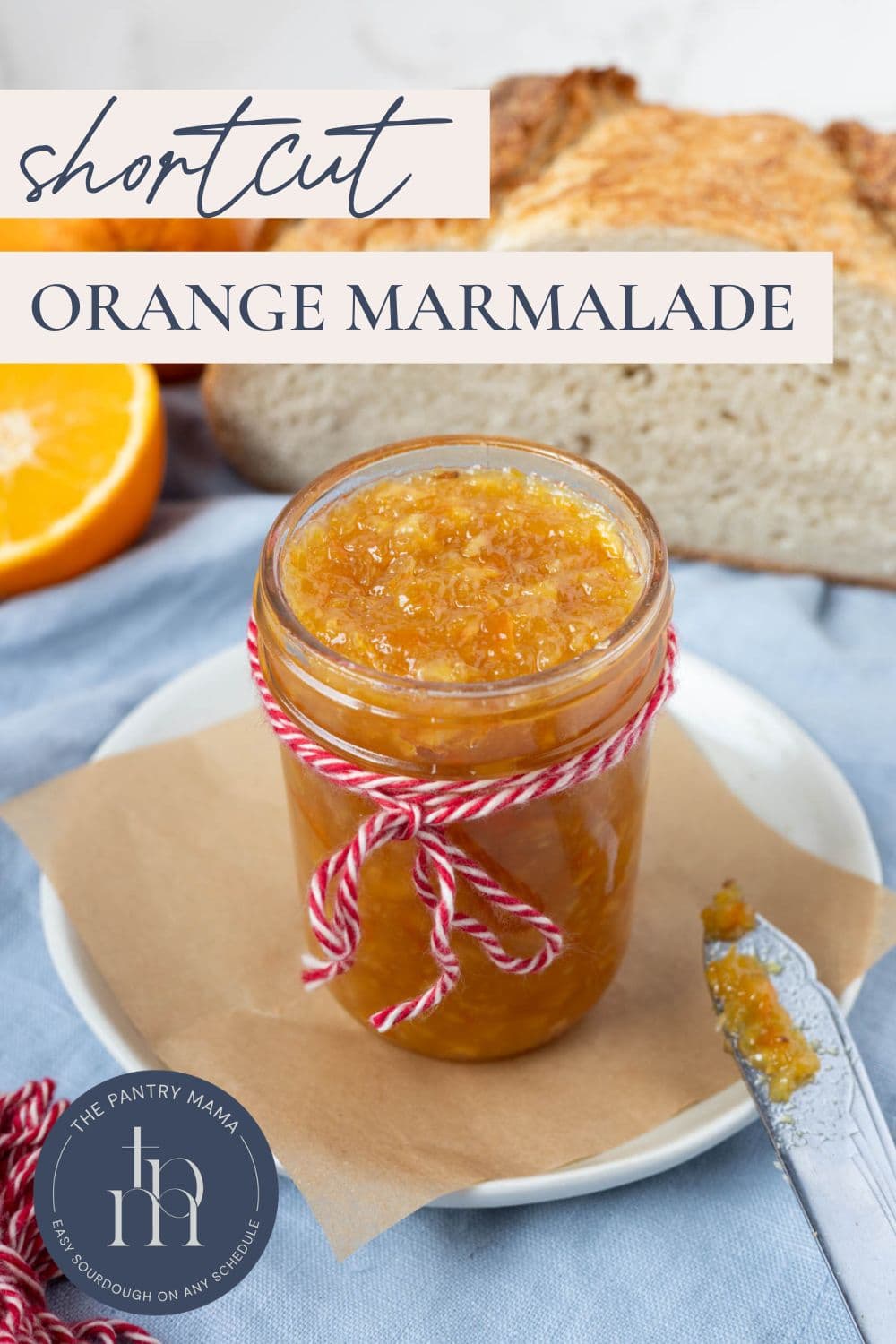
This easy orange marmalade is sweet, tangy, and perfect on buttered sourdough toast. Using a food processor cuts down on prep and cooking time while delivering that classic balance of sugary and bittersweet flavors. Spreadable and studded with bits of peel, this homemade marmalade makes breakfast easy and special. Plus, it's a thoughtful gift paired with fresh sourdough bread.
Why You’ll Love This Recipe!
A Major Shortcut - You know I always try to avoid doing a lot of chopping, and I love that this recipe uses the food processor instead of finely slicing tiny pieces of orange peel! You just cut the orange into rough chunks and let the food processor do the work. This method results in more bits than some crystal-clear classic marmalades, but I love a bit of texture in my jams and it saves you so much effort.
Quick and Hands-Off - Lots of marmalade recipes require simmering the oranges for hours or letting it sit overnight, but this one only takes about an hour. Plus you don’t need to strain through muslin to get delicious results.
No Pectin - This recipe uses both oranges and lemons, which I love because it’s not overly sweet. I’ve seen recipes with more than twice as much sugar and I like this balance much better. Plus, both citrus fruit peels are high in natural pectin, so you don’t need to add any.
Ingredients
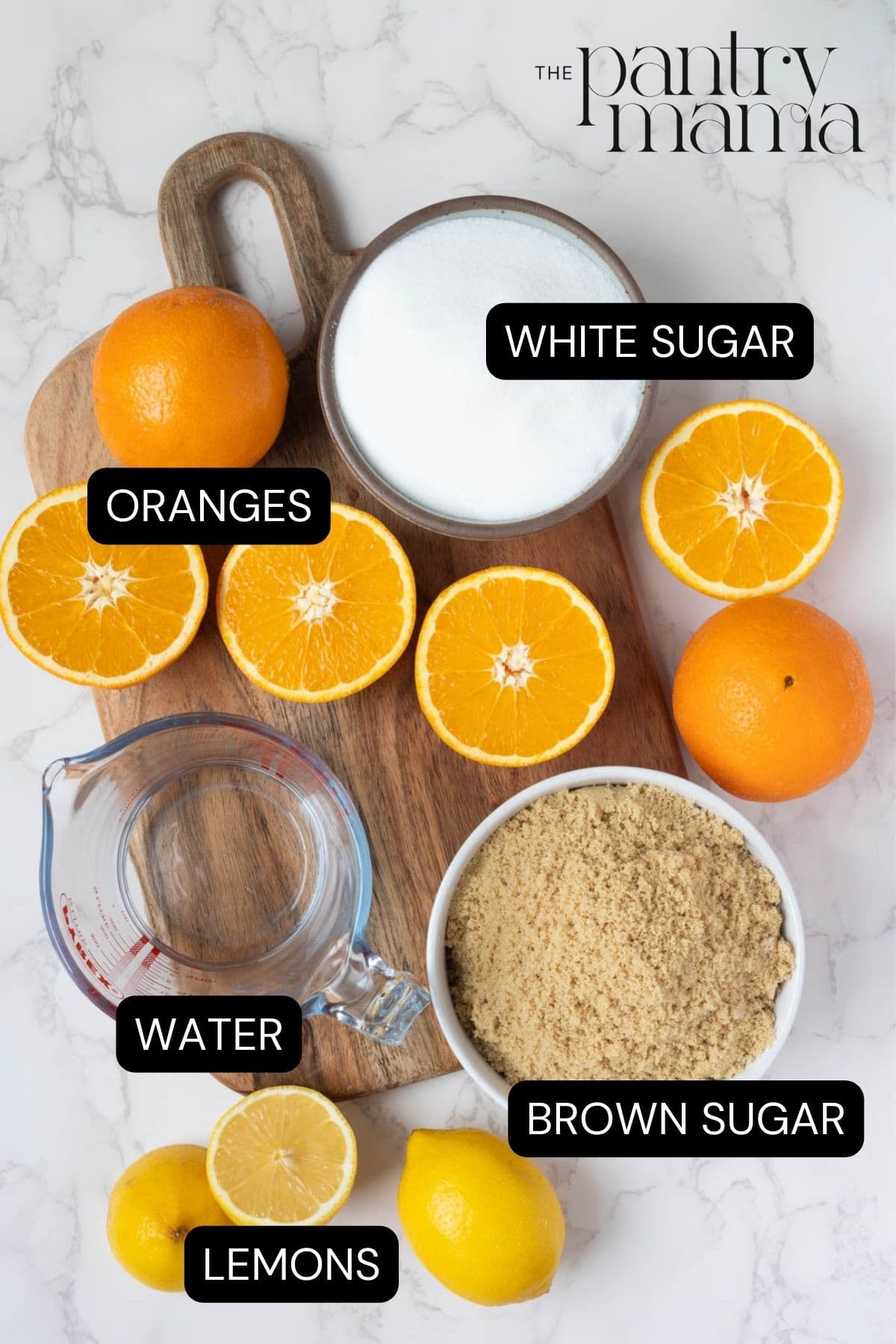
- Oranges - Seville oranges are the classic kind used in marmalade but they’re hard to find. I used very common navel oranges, which are also budget-friendly.
- Lemons - You use both the zest and juice, so use unwaxed lemons.
- Sugar - I used a mix of white and brown sugar to add some depth of flavor. Feel free to use all of one or the other if you prefer.
- Water
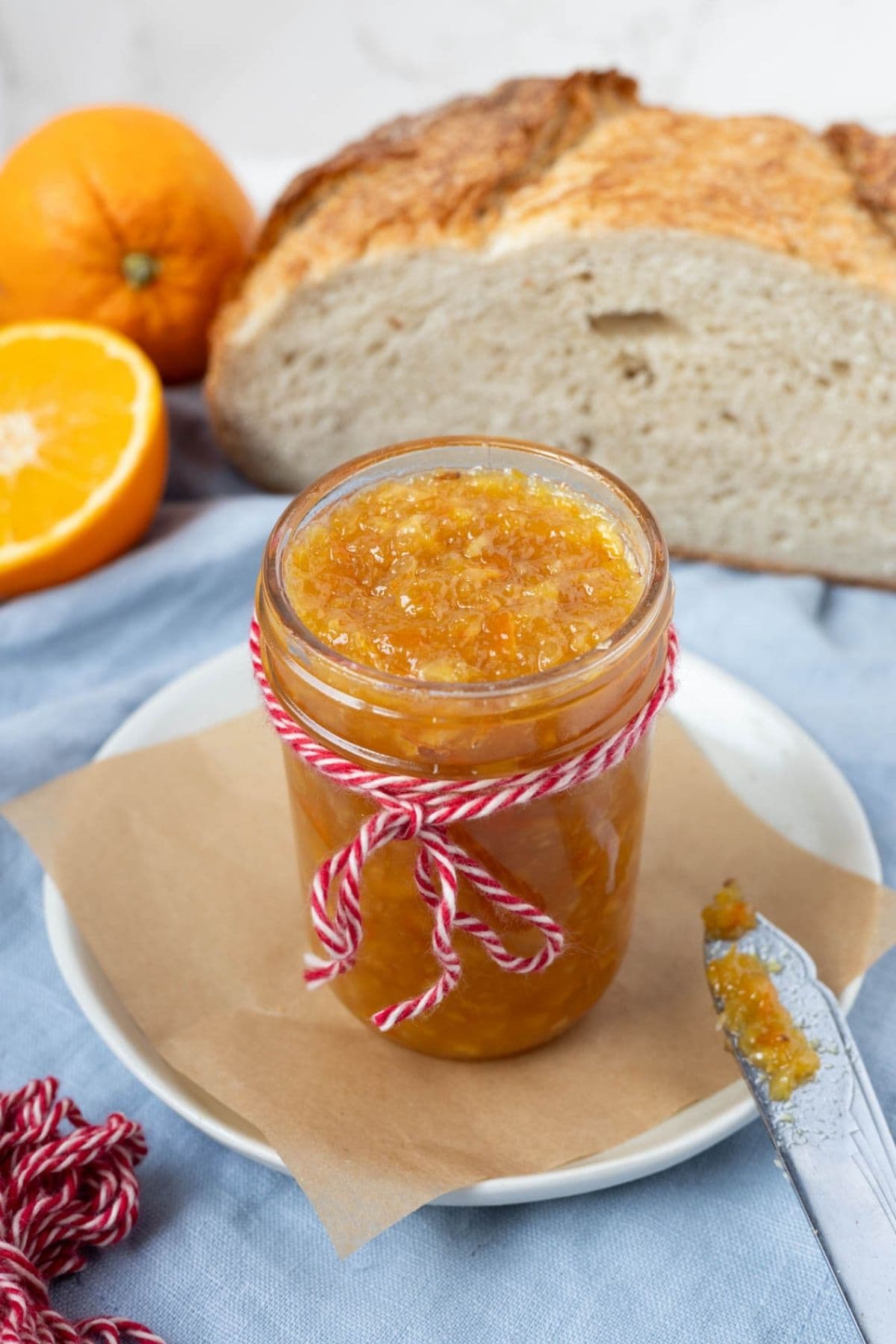
How to Make Shortcut Orange Marmalade
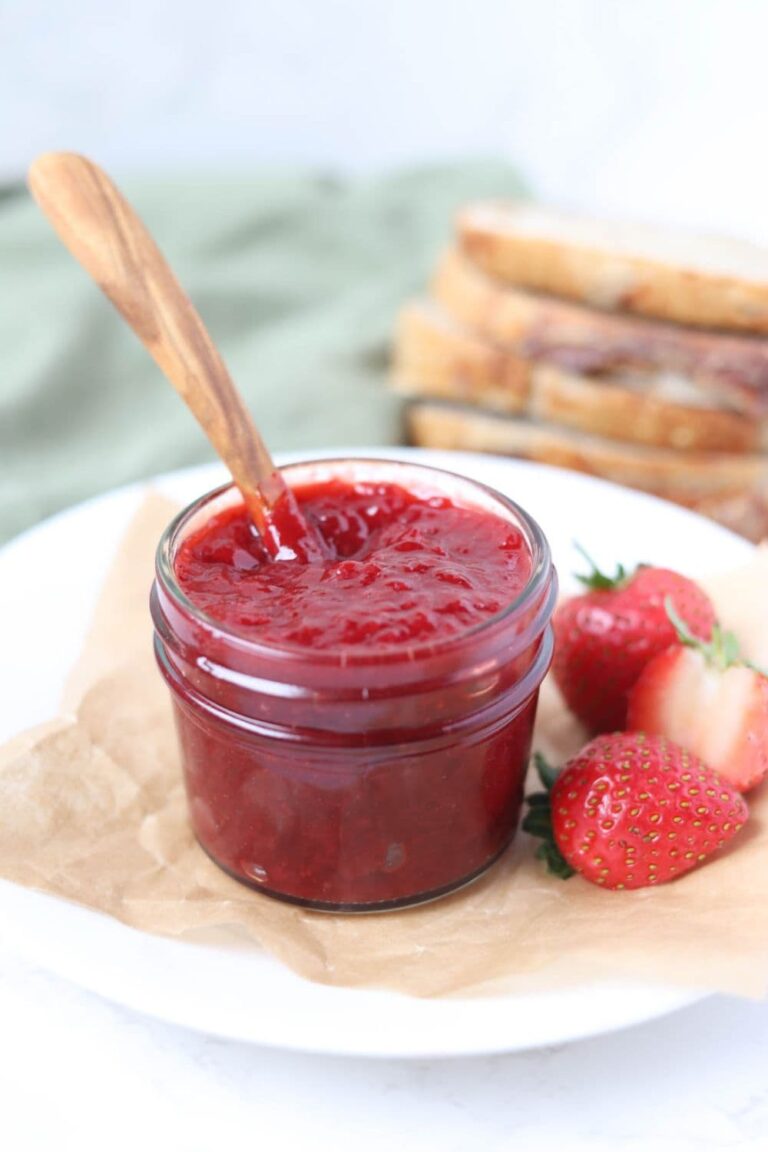
This is such an easy condiment to make, alongside my small batch strawberry jam.
Place a small plate in the freezer if you’d like to do the plate test at the end to see if the marmalade is set.
Scrub and trim the ends off the oranges and cut them into rough chunks, discarding any seeds. Put the orange chunks into a food processor and pulse until the orange has become a thick chunky puree but there are still bits of rind.
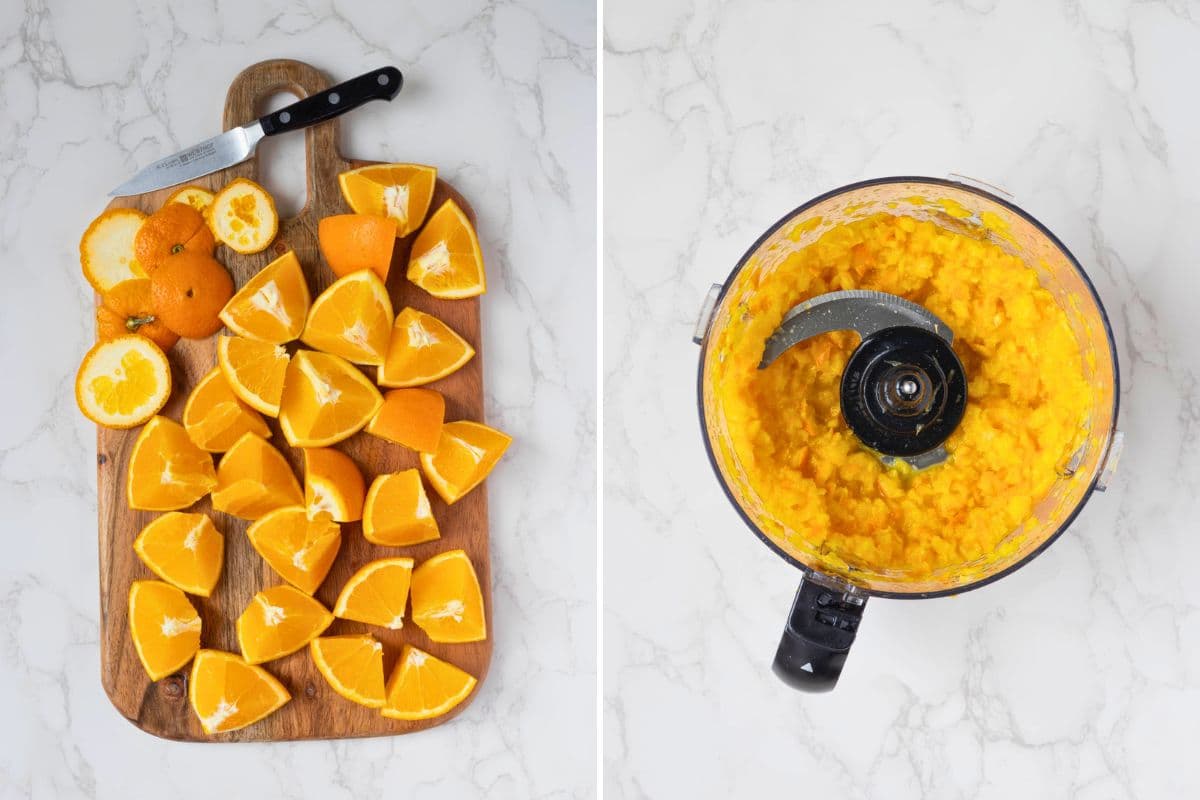
Wash, zest and juice the lemons.
Add the chopped oranges, lemon zest, lemon juice, granulated sugar, brown sugar, and water to a heavy-based saucepan. Stir well to combine.
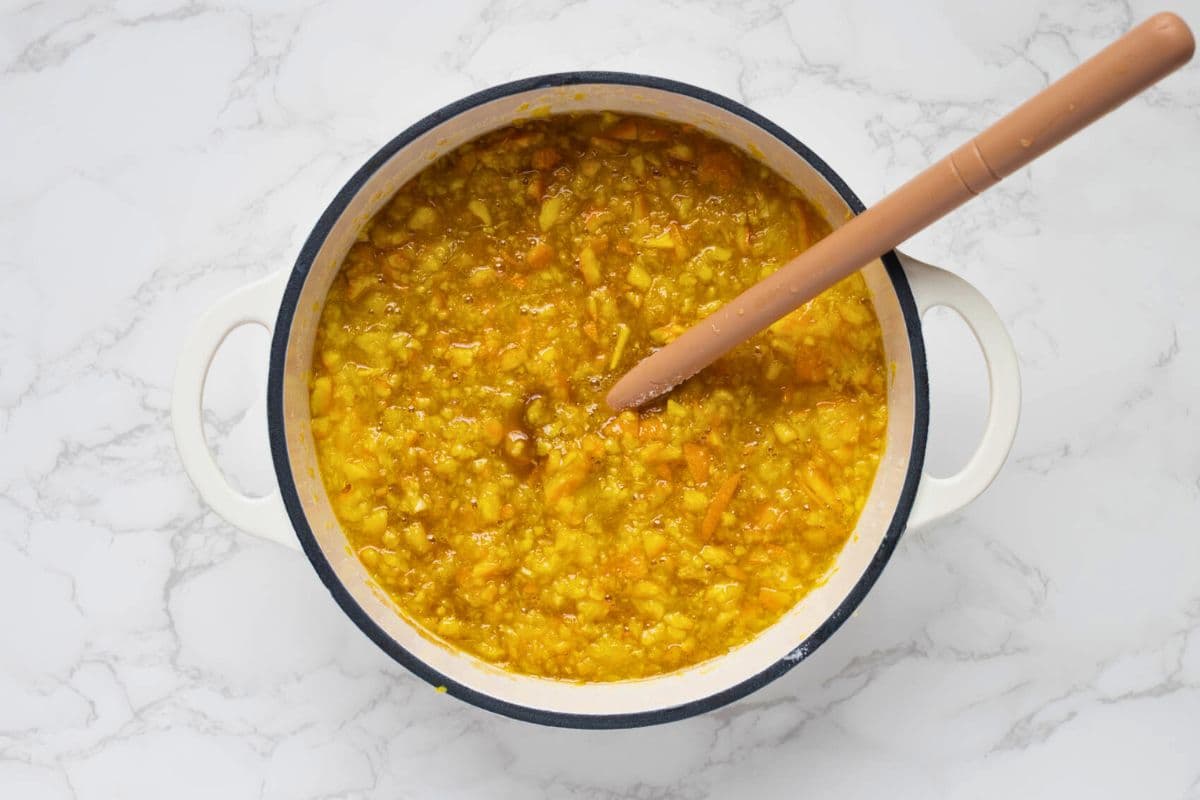
Place the pot over medium-high heat and bring the mixture to a boil, stirring occasionally so the sugar dissolves.
Reduce the heat to a steady simmer and cook for about 40 minutes, stirring occasionally, until the orange peel pieces are very soft. Test one. It should be easy to bite through.
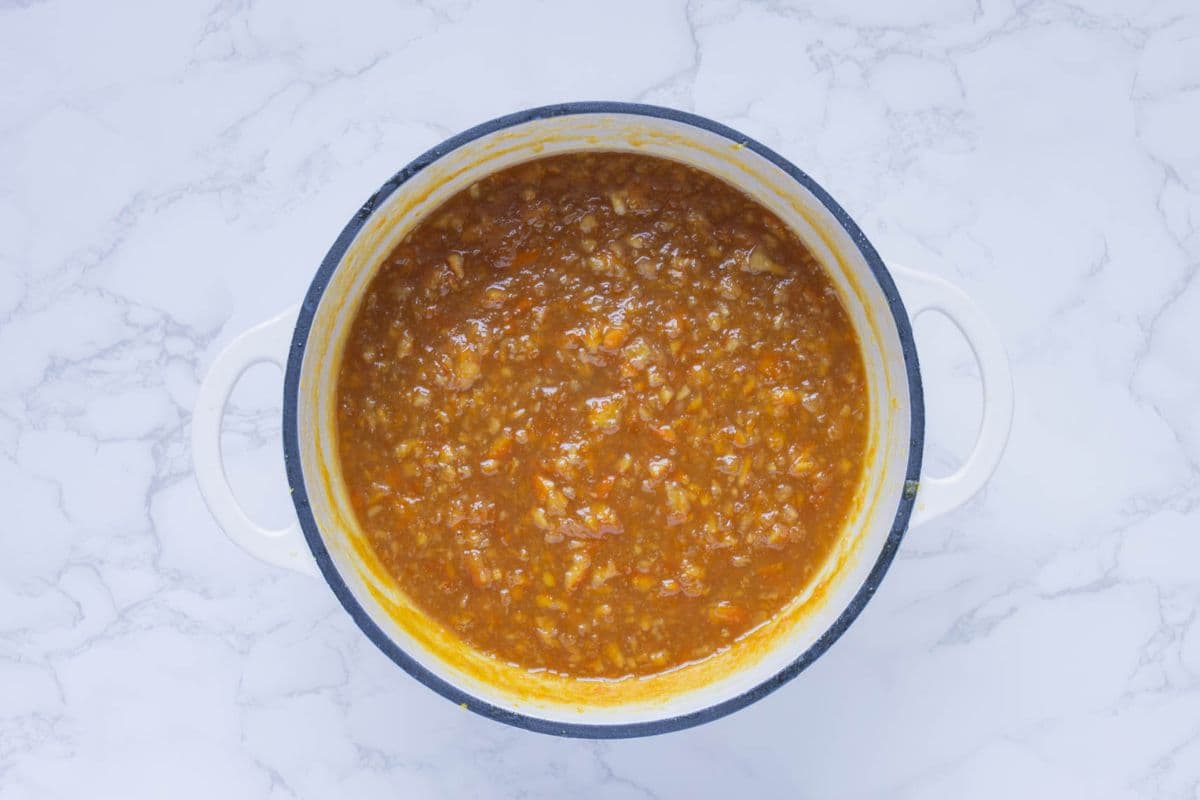
While the marmalade simmers, carefully pour boiling water into your jars. Let them sit for a few minutes, then empty and set aside.
Increase the heat and bring the marmalade to a more vigorous boil. Cook until thick and jelly-like.
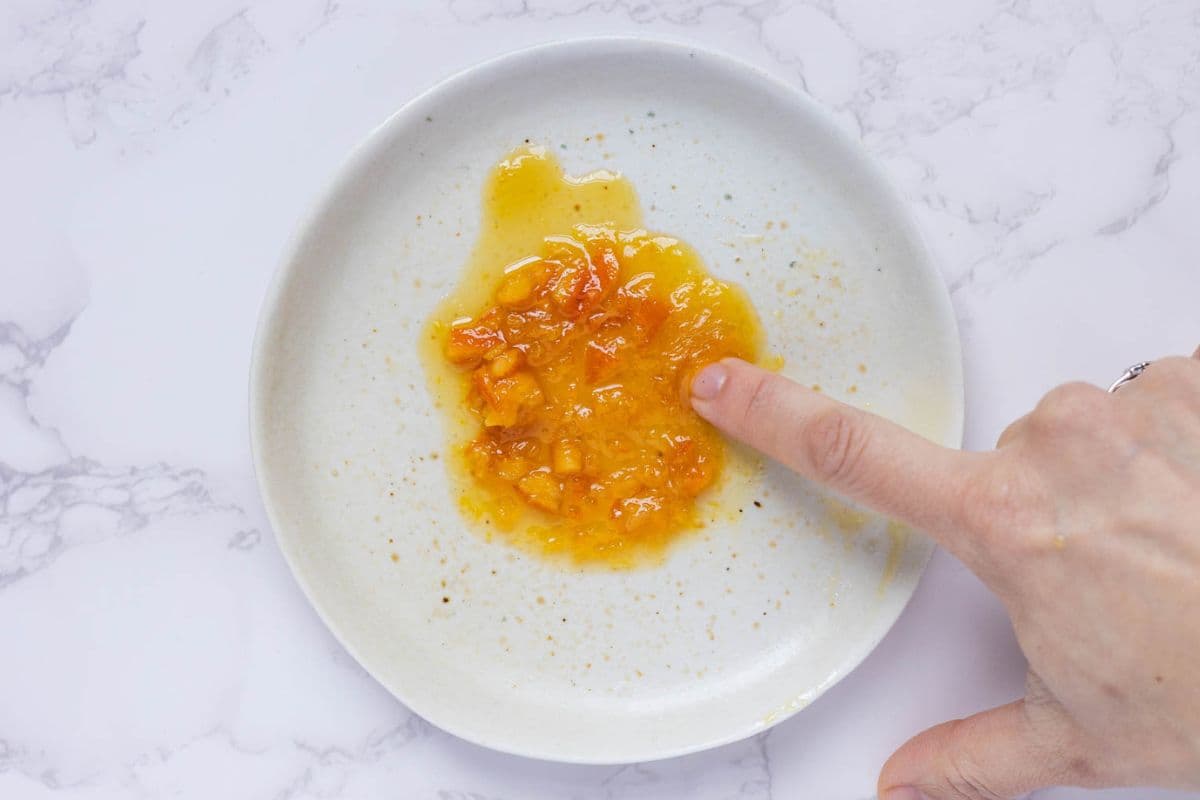
If using a thermometer, the setting point is 219°F / 104°C. For the plate test: Spoon a little marmalade onto the chilled plate, return it to the freezer for 1 minute, then push it with your finger. If it wrinkles, it’s ready. If not, boil for a few more minutes and test again.
When the marmalade reaches your desired consistency, carefully ladle it into the warm jars using a funnel. Leave about 1 cm of headroom at the top. Place the lids on tightly. Let the jars cool on the counter, then transfer them to the refrigerator.
Kate's Recipe Tips
- I use the pulse function on my food processor so the oranges don’t get completely pureed. I love the taste of little bits of orange rind in my marmalade!
- Make sure you use a large enough pot so that when the marmalade bubbles up at the end, it stays in the pot.
- If you want to, you can skim the foam off during cooking for a clearer marmalade as the foam can trap air and make it look dull. But it’s not dangerous if left, especially since we’re not canning this jam for long-term storage.
How To Use/What To Eat With
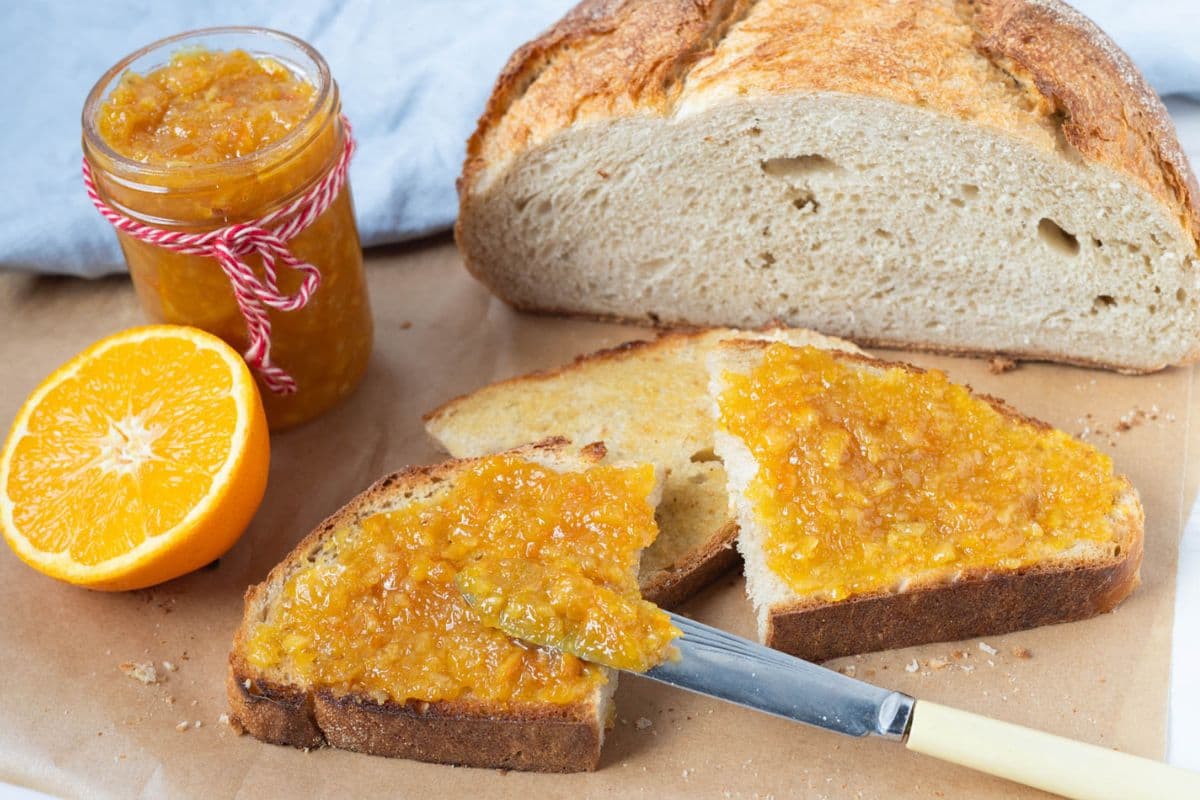
We’re eating this marmalade for breakfast every morning in my house, spread on toasted homemade sourdough with a bit of butter. It's excellent on my simple sourdough loaf recipe, or a sourdough sandwich bread. But really, it goes with so many different sourdough loaves.
- This marmalade is a perfect pairing for orange cranberry sourdough bread, or muffins.
- Marmalade is always a great accompaniment for chocolate chip sourdough scones - trust me on this!
- You could even use this marmalade as a glaze on my festive sourdough braided brioche wreath!
How To Store + Freeze
I don't can this marmalade, I just keep it in the fridge and it's fine this way. It lasts at least a month unopened and around 2 weeks once you open the jar.
You can also freeze the marmalade in the jars (just leave plenty of head room for expansion).
Frequently Asked Questions
Jam cooking times can vary widely depending on your stove and type of pan, so use the timings as an estimate, adjusting the temperature of your stove as necessary.
If you want fewer bits in your marmalade, you can always scoop out the flesh and pith from the orange halves and discard the pith. Keep in mind the pith has a lot of natural pectin, so it may not set as well.
Shortcut Orange Marmalade
Equipment
- Heavy Based Saucepan
- Storage Jars (I've used 4 x 250ml jars)
Ingredients
- 1 kg Oranges (I used 4 navel oranges)
- 2 Lemons (zest and juice, medium lemons)
- 400 g Granulated Sugar
- 400 g Brown Sugar
- 100 ml Water
Instructions
- Put a small plate in the freezer if you’d like to do the plate test at the end to see if the marmalade is set.
- Scrub and trim the ends off the oranges and cut them into rough chunks, discarding any seeds. Put the orange chunks into a food processor and pulse until the orange has become a thick chunky puree but there are still bits of rind.
- Wash, zest and juice the lemons.
- Add the chopped oranges, lemon zest, lemon juice, granulated sugar, brown sugar, and water to a heavy-based saucepan. Stir well to combine.
- Place the pot over medium-high heat and bring the mixture to a boil, stirring occasionally so the sugar dissolves.
- Reduce the heat to a steady simmer and cook for about 40 minutes, stirring occasionally, until the orange peel pieces are very soft. Test one. It should be easy to bite through.
- While the marmalade simmers, carefully pour boiling water into your jars. Let them sit for a few minutes, then empty and set aside.
- Increase the heat and bring the marmalade to a more vigorous boil. Cook until thick and jelly-like. If using a thermometer, the setting point is 219°F / 104°C. For the plate test: Spoon a little marmalade onto the chilled plate, return it to the freezer for 1 minute, then push it with your finger. If it wrinkles, it’s ready. If not, boil for a few more minutes and test again.
- When the marmalade reaches your desired consistency, carefully ladle it into the warm jars using a funnel. Leave about 1 cm of headroom at the top. Place the lids on tightly. Let the jars cool on the counter, then transfer them to the refrigerator.
Notes
- I use the pulse function on my food processor so the oranges don’t get completely pureed. I love the taste of little bits of orange rind in my marmalade!
- Make sure you use a large enough pot so that when the marmalade bubbles up at the end, it stays in the pot.
- If you want to, you can skim the foam off during cooking for a clearer marmalade as the foam can trap air and make it look dull. But it’s not dangerous if left, especially since we’re not canning this jam for long-term storage.
Nutrition